 0344 259 0061





Engineered Wood Flooring: The Smart Choice for Modern Homes
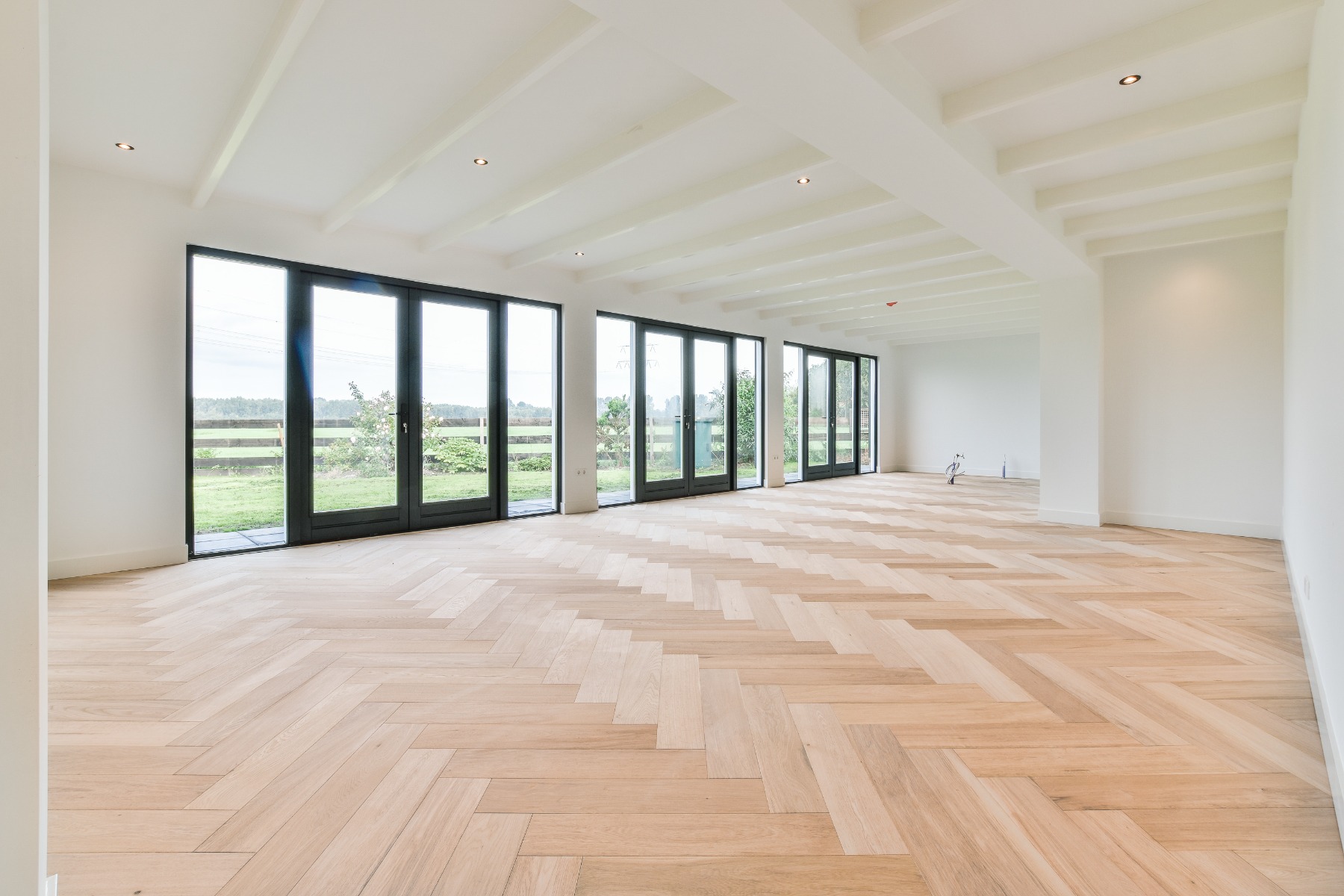
Engineered Wood Flooring: The Smart Choice for Modern Homes
When it comes to choosing the perfect flooring for your home, engineered wood flooring strikes the ideal balance between beauty, durability, and practicality. It offers the timeless charm of real hardwood with enhanced stability — making it one of the most popular flooring choices for modern interiors.
What Is Engineered Wood Flooring?
Unlike solid hardwood, which is made from a single piece of timber, engineered wood flooring is constructed using multiple layers. The top layer is genuine hardwood, giving you that authentic wood appearance and texture. Beneath that are layers of high-quality plywood or HDF (high-density fiberboard), designed to provide extra strength and resistance to changes in temperature and humidity.
This clever construction makes engineered wood flooring more dimensionally stable — meaning it won’t warp or swell as easily as traditional hardwood.
Key Benefits of Engineered Wood Flooring
Authentic Hardwood Look
With a top layer of real wood, engineered flooring looks and feels identical to solid wood. Choose from a wide range of finishes — oak, walnut, maple, hickory, and more — to match your style.
Superior Stability
Thanks to its layered structure, engineered wood flooring performs exceptionally well in environments where moisture or temperature fluctuations occur, such as kitchens, basements, and conservatories.
Easy Installation
Most engineered floors feature a click-lock or tongue-and-groove system, making installation quick and mess-free — even suitable for DIY projects.
Environmentally Friendly
Engineered flooring uses less hardwood compared to solid planks, making it a more sustainable option without compromising on style or quality.
Refinishing Options
Depending on the thickness of the top veneer, engineered wood can be sanded and refinished several times, extending its lifespan and keeping it looking fresh for decades.
Engineered Wood Flooring vs. Solid Hardwood
| Feature | Engineered Wood | Solid Hardwood |
|---|---|---|
| Structure | Multiple layers with hardwood top | Single piece of hardwood |
| Moisture Resistance | Highly resistant | Prone to warping |
| Installation | Easy click or glue-down | Nailed or glued |
| Price Range | More affordable | Typically more expensive |
| Sustainability | Uses less hardwood | Higher environmental impact |
Where to Use Engineered Wood Flooring
- Living Rooms & Bedrooms: Achieve a warm, inviting look with the natural beauty of wood.
- Kitchens: Its moisture resistance makes it a stylish yet practical choice.
- Basements: Performs well in below-grade areas where solid hardwood struggles.
- Offices & Commercial Spaces: Durable and easy to maintain — ideal for high-traffic areas.
Caring for Your Engineered Wood Floors
- Clean with a soft broom or vacuum to remove dust and debris.
- Wipe up spills immediately to prevent damage.
- Use manufacturer-recommended cleaning products.
- Avoid excessive water and harsh chemicals.
- Add felt pads to furniture legs to prevent scratching.
Featured Product
Explore our Engineered Wood Flooring
Engineered wood flooring offers the perfect combination of elegance, strength, and versatility. Whether you’re renovating a single room or transforming your entire home, it’s a smart investment that delivers both style and performance.
Ready to elevate your interior with premium engineered wood floors? Contact our team for expert advice and a free quote.



Leave a Reply